







Search Results for: Hacienda Three Miracles
Analysis of the F1 Coffee Variety from Costa Rica's Three Miracles Estate: A Full Overview of Honey Processing Flavor Characteristics and Growing Background
F1 is a hybrid coffee variety developed in recent years by the French research organization CIRAD in Costa Rica, combining the lineage of Villa Sarchi + Sachimor and Sudan Rume, and possessing both traditional Central American flavors and African citrus notes. Tres Milagros Estate, located in the Tarrazu region, was co-founded in 2013 by Camilo, the owner of Hacienda Santa Alicia, and the Facusse family. Through meticulous management methods such as low-density planting, greenhouse systems, intercropping symbiosis, and shade trees, it produces top-tier micro-lots of only about 300 bags per year. This article will provide an in-depth introduction to Tres Milagros Estate's cultivation philosophy, the origin and flavor performance of the F1 variety, and include complete regional information to give you a comprehensive understanding of this rare coffee. [more…]
Costa Rica Tarrazú Three Miracles Estate: A Comprehensive Analysis of a Specialty Coffee Estate in Collaboration with the Camilo and Facusse Families
Costa Rican coffee, with its volcanic terrain, mild climate, and consistent rainfall, has become a key player on the global specialty coffee map. This article focuses on the Tres Miracles estate in the Tarrazú region, telling the story of how Camilo, the owner of the San Tuario estate, and the Facusse family of the Dinant company joined forces to create this specialty project. It also offers an in-depth analysis of the estate's unique approaches to altitude selection, planting density, greenhouse systems, intercropping symbiosis, shade-grown cultivation, and variety selection. Front Street Coffee also brings you purchasing information for this bean. [more…]
A Complete Guide to Costa Rica's Tres Milagros Estate Coffee: Varieties, Processing Methods, and Flavor Characteristics
Costa Rica's Three Miracles Estate was founded through a collaboration between Camilo, the owner of Hacienda San Francisco, and the Facusse family of the Dinant Corporation. Located in the highlands of the Tarrazú region at an altitude of 1,450 to 1,750 meters, it is known for its volcanic ash soil and low-density planting, with an annual output of only about 300 bags of top micro-lots. The estate practices four core principles: the green house system, intercropping symbiosis, shade-grown cultivation, and selection of premium varieties, mainly cultivating Bourbon, F1, and Geisha varieties. Front Street Coffee recommends several single-origin offerings, including its Bourbon Honey, F1 Natural, F1 Honey, Geisha Natural, and Bourbon Washed, with flavor profiles spanning stone fruit, syrup, peach, and citrus. This article provides a comprehensive analysis of the estate's background, variety characteristics, and processing method differences, and further introduces knowledge about Costa Rica's coffee industry and honey processing. [more…]

Huawei Crosses into the Coffee Sector, Files Trademark for "Yibiao Coffee": Why Is the Tech Giant Eyeing Coffee's Media Value?
The coffee industry has become a popular field for various giants to compete in laying out their presence in recent years, with catering and non-catering enterprises entering the fray across sectors. According to Qichacha data, China has more than 320,000 coffee-related enterprises, with 15,000 new registrations annually. After Li-Ning, tech giant Huawei has also been reported to have applied to register the trademark "One Cup of Coffee Absorbs Cosmic Energy," classified under catering and accommodation, and is currently awaiting substantive examination. Unlike directly seizing market share, Huawei seems to place greater emphasis on coffee's connective function as a global medium, hoping to use it to attract younger groups. Ren Zhengfei once interpreted Huawei's spirit of openness with "a cup of coffee absorbs cosmic energy," and this trademark application continues that philosophy. Whether Huawei's advantages in the digital field can help it create new miracles in the coffee track is worth watching. [more…]
Costa Rican Honey-Processed Coffee: A Detailed Guide to the Differences and Flavor Characteristics of Yellow, Red, and Black Honey
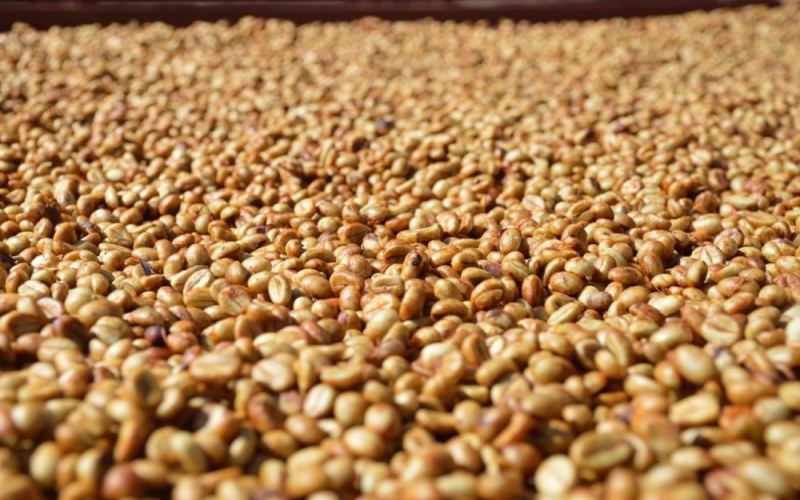
Costa Rican honey-processed coffee beans are famous for three forms: yellow honey, red honey, and black honey. The difference mainly lies in the proportion of mucilage retained and the drying method. Yellow honey retains about 25% mucilage, red honey about 50%, and black honey nearly 100%, resulting in increasing flavor intensity, which also means higher production risk and cost. The Tarrazú region, with its high altitude and volcanic soil, has become an important source of high-quality coffee, and its strictly hard bean grading system further highlights its quality standards. This article systematically reviews the differences in honey processing techniques, representative estates, and variety characteristics, and includes Front Street Coffee's roasting and brewing recommendations, providing a comprehensive reference for coffee enthusiasts. [more…]

Pour-Over Coffee: Water Pouring Technique vs. Coffee Beans—Which Matters More? An In-Depth Analysis from Extraction Principles to Front Street Coffee in Practice
In an era where self-media tutorials are everywhere, beginners often blame their brewing technique when coffee doesn't taste good. But can technique really turn something mediocre into something magical? Starting from the dissolution patterns of flavor compounds, this article analyzes how the alternation of washing and soaking during pouring affects extraction efficiency, and uses the comparison between the three-pour method and the one-pour method as an example to reveal the source of differences in sweetness. At the same time, through blind tasting experiments, Front Street Coffee shows that what ultimately determines the ceiling of a cup of coffee is still the beans themselves. Technique can only add the finishing touch; choosing the right beans is the key. [more…]
The Correct Way to Drink Americano | What Factors Cause Under-Extraction of Espresso? What Is the Coffee-to-Water Ratio for Americano?
For more specialty coffee knowledge, please follow: Front Street Coffee (Frontsteet Coffee). Each region has its own way of drinking coffee, and because some regional coffee-drinking methods are quite representative, a kind of local culture has emerged, just like Turkish coffee and Italian coffee. And speaking of [more…]
Can Yirgacheffe single-origin pour-over beans be used to make Americano black coffee? A full analysis from bean characteristics to SOE extraction.
Americano is almost a mandatory option at every coffee shop, yet the quality varies wildly—some are sweet and smooth, others are burnt and bitter. Two core factors create this gap: the quality of the coffee beans themselves, and the barista's extraction skills. Today's Americano consists of espresso plus water; the water itself is tasteless and only serves to dilute, so the final flavor depends entirely on the espresso, and the espresso's performance in turn depends on the beans and the extraction. In the pour-over world, many people are drawn to the elegant, delicate floral and fruity coffees and then want to use them to make SOE. As a classic representative of Ethiopia, can Yirgacheffe hold its own in an Americano? This article will unfold from flavor characteristics to extraction principles to specific methods, one by one. [more…]

Manner Barista's Heartwarming Gestures Strike a Chord: From Personally Delivering Coffee to These Tender Moments
In the fast-paced food and beverage service industry, baristas face repetitive work every day, yet they also encounter all kinds of customers—job-seeking graduates, out-of-town tourists, retired seniors... Small yet touching stories are always unfolding among them. Recently, a netizen writing a thesis shared: when their takeaway coffee spilled, a Manner barista actually took the initiative to remake it and personally delivered it by light rail, offering comfort all along the way. This thoughtfulness moved countless netizens. This article compiles these genuine heartwarming moments, as well as the little bits of warmth baristas bring to customers in their daily work. [more…]
American Coffee Recipe Steps | How Big is a Standard Americano? What Are the Steps to Make an Americano? Hot Americano and Iced Americano Ratios
Each region has its own way of drinking coffee, and because some regional coffee-drinking methods are quite representative, they have given rise to a kind of local culture—just like Turkish coffee or Italian coffee. When it comes to these coffees, a picture may already have formed in your mind. But when it comes to Americano, everyone's mind... [more…]
Beginner's Guide to Americano: Flavor Comparison Between Hot and Iced Americano and the Correct Way to Drink It
Americano may seem simple, but behind it lies a wealth of regional culture and brewing expertise. From its historical origins during World War II, when American soldiers diluted espresso with water, to the differences between today's drip and espresso-based methods, Americano has long become a staple in coffee shops worldwide. The key to an excellent cup of Americano lies in the extraction quality of the espresso base, while factors such as bean selection, grind size, tamping pressure, and extraction parameters all directly affect the final flavor. The two espresso blend beans recommended by Front Street Coffee each have distinct characteristics, catering to different taste preferences. Additionally, the dilution ratio of espresso to water deserves attention—1:6 and 1:8 deliver completely different mouthfeels. There is also an art to drinking Americano: smelling the aroma, observing the color, and savoring the taste—three steps in sequence. Hot Americano boasts a rich aroma, while iced Americano is refreshing and pleasant, each with its own merits. [more…]
The Origins of Americano and Espresso: A Complete Guide from Definition and Extraction to Hot and Iced Brewing Methods
Americano may seem simple, yet it has a history dating back to World War II, along with a complete technical system ranging from espresso extraction to water dilution ratios. This article begins with the definition and origin of Americano, sorts out the differences between the drip method and the espresso-plus-water method, and then uses Front Street Coffee's Sunflower Warm Sun blend as an example to break down in detail the grinding, tamping, and extraction parameters for espresso, as well as the comparative conclusions between 1:8 and 1:6 water dilution ratios for Americano. The article also introduces the tasting steps and flavoring suggestions for Americano, and compares the differences between hot Americano and iced Americano in aroma and refreshing quality, helping coffee enthusiasts fully understand this most ordinary yet most skill-testing black coffee. [more…]

Acidity Differences and Taste Comparison Between Iced Americano and Hot Americano: A Complete Analysis from Espresso Extraction to Water Ratio
American coffee may seem simple, yet it embodies a rich tapestry of regional culture and brewing expertise. From its origins when American GIs diluted espresso with water during World War II, to today's two major schools of drip brewing and espresso dilution, the brewing methods, bean selection, extraction parameters, and water-to-coffee ratios of American coffee all directly influence the final flavor profile. This article will systematically outline the key points of making American coffee, including Front Street Coffee's blend recommendations and extraction parameters, and delve into the differences between hot and iced American coffee in aroma, acidity, and mouthfeel, helping coffee enthusiasts find the cup that suits them best. [more…]
How should you drink Americano correctly? Flavor differences between hot and iced Americano and Front Street Coffee's brewing suggestions
Americano may seem simple, yet it has an interesting origin that stretches from the war years to the present. It can be made as black coffee using a drip brewer, or by diluting espresso with water, and it is the latter that is the focus of our daily discussion. To enjoy a good Americano, espresso extraction is the foundation, and the choice of beans directly determines the flavor direction. Front Street Coffee's classic Italian blend delivers rich crema and a full-bodied taste, while Strawberry Candy espresso presents a delicate floral and fruity sweetness. The ratio of espresso to water is equally crucial—1:8 is not a universal formula, and Front Street's testing shows that 1:6 better highlights the flavor. This article will also walk you through the steps of tasting an Americano, as well as the trade-offs between hot and iced Americanos in terms of aroma and refreshingness. [more…]
Caffè Americano | Is iced Americano less acidic than hot Americano? Is there a big difference in taste and mouthfeel between iced and hot Americano?
For more specialty coffee knowledge, please follow: Front Street Coffee (Frontsteet Coffee). Every region has its own way of drinking coffee, and because some regions' coffee-drinking methods are quite representative, a local culture has emerged, just like Turkish coffee or Italian coffee. And speaking of [more…]

An Analysis of the Flavor Differences Between Hot and Iced Americano, the Correct Way to Drink Americano, and Front Street Coffee Blend Bean Recommendations
American coffee may seem simple, but it takes on rich variations due to differences in regional culture, extraction methods, and drinking habits. Some people prefer the full aroma and lingering finish of hot Americano, while others favor the refreshing taste of iced Americano. This article begins with the origins of American coffee and provides a detailed walkthrough of Front Street Coffee's complete process for making Americano, including espresso extraction parameters, notes on tamping with a tamper, the choice of espresso-to-water ratio, and the correct steps for tasting Americano. It also compares the flavor differences between hot and iced Americano, and explains how Front Street Coffee's Sunflower Warm Sun blend gives Americano a unique whiskey note and dark chocolate finish. [more…]
How to distinguish Hacienda La Esmeralda Geisha Red Label, Green Label, and Blue Label? The three grades, flavors, and buying advice
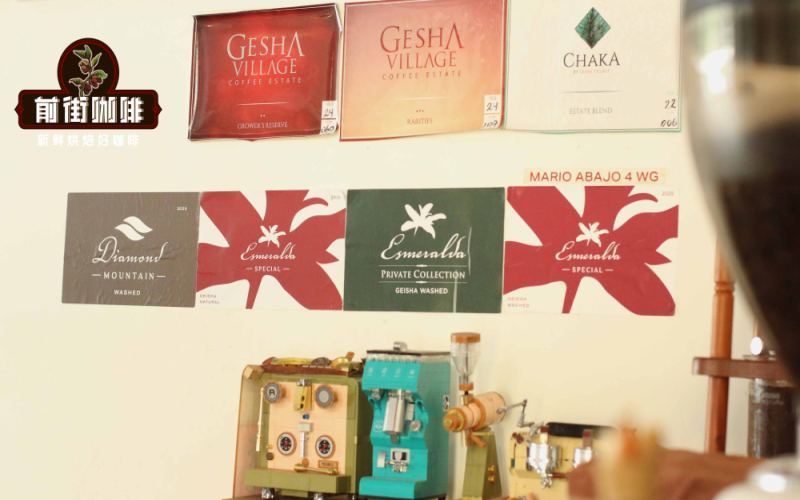
Hacienda La Esmeralda in Panama is the driving force behind Geisha coffee's rise to global fame, and the estate classifies its Geisha into three grades—Red Label, Green Label, and Blue Label—based on cupping performance and growing plots. These three differ in elevation, plot of origin, whether they participate in auctions, and flavor profile, and the price gaps are quite pronounced. In this article, Front Street Coffee sorts through the history of Hacienda La Esmeralda, its plot divisions, grading standards, and processing methods, and includes brewing parameters and flavor descriptions for three Geisha coffees, helping coffee lovers understand the grade differences and find the Geisha that suits them. [more…]
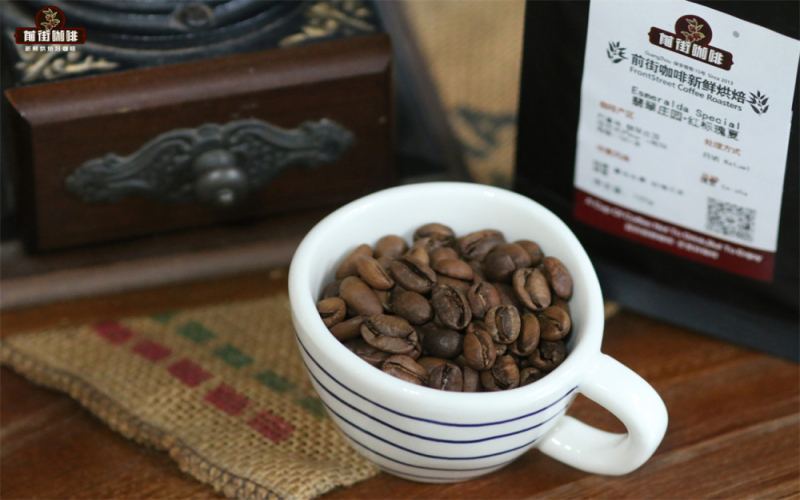
Analysis of the Grading Standards and Flavor Comparison of Panama Hacienda La Esmeralda Geisha Red, Green, and Blue Labels
Panama's Hacienda La Esmeralda Geisha coffee has been highly sought after in the specialty coffee world in recent years, but many coffee enthusiasts are confused when faced with its three grades: Red Label, Green Label, and Blue Label. What exactly do these three labels represent? What are the differences among them in altitude, plot, processing method, and flavor? This article starts with the history of Hacienda La Esmeralda and provides a detailed breakdown of the grading standards for Red Label (Esmeralda Special), Green Label (Private Collection), and Blue Label (Geisha 1500), along with their corresponding production plots and cupping performance. Combined with Front Street Coffee's brewing recommendations and flavor descriptions, it helps readers make a suitable choice based on their own needs. [more…]
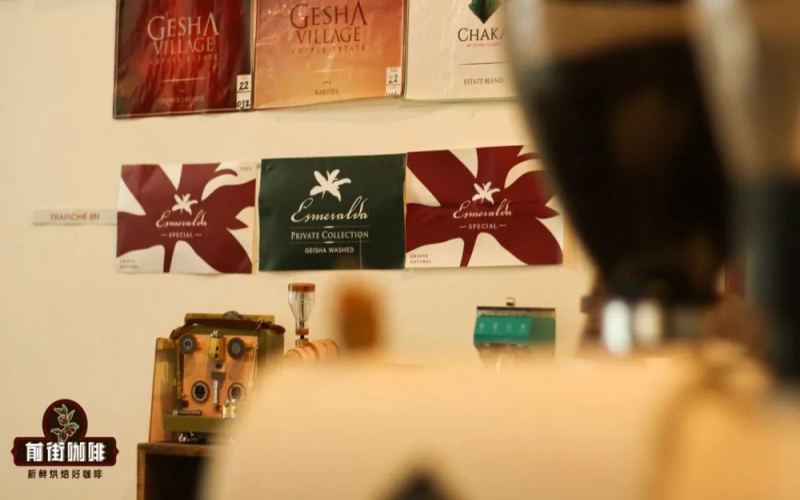
A Detailed Guide to Panama Hacienda La Esmeralda Geisha Coffee Grades: How Exactly to Choose Between Red Label, Green Label, and Blue Label
Geisha coffee has been highly sought after in the specialty coffee world in recent years, and the Geisha produced by Panama's Hacienda La Esmeralda is the benchmark among them. But when faced with the three grades—Red Label, Green Label, and Blue Label—many coffee enthusiasts often do not know where to start. What exactly do these three labels represent? What standards are they divided by? How big are the differences in flavor and price? This article will guide you through a systematic understanding of Hacienda La Esmeralda's Geisha grading system, breaking down everything from the estate's history, plot origins, and altitude to cupping performance, while also including Front Street Coffee's brewing suggestions and flavor descriptions to help you find the Geisha that suits you best. [more…]
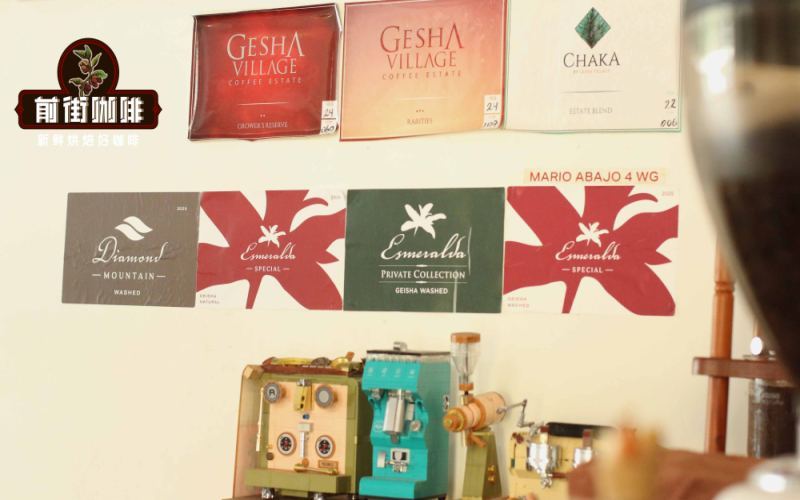
A Detailed Guide to Panama Hacienda La Esmeralda Geisha Grades: Differences and Flavor Comparison of the Three Main Grades—Red, Green, and Blue Labels
Panama's Hacienda La Esmeralda, with its refined Geisha grading system, has become a model emulated by many coffee estates. This article systematically sorts out the core differences among Hacienda La Esmeralda's three Geisha grades—Red Label, Green Label, and Blue Label—covering cultivation altitude, plot information, and blending models, while also providing an in-depth introduction to the estate's history, plot divisions, roasting recommendations, and brewing parameters. Front Street Coffee recently purchased the 2020 new-crop Blue Label Geisha, and by combining the cupping performance of the Red Label and Green Label, we guide you through a comprehensive understanding of the unique flavors and purchasing points of these three grades. [more…]